

Anyone can be a paid tax return preparer as long as they have an IRS Preparer Tax Identification Number (PTIN). However, tax return preparers have differing levels of skills, education and expertise. CPAs have a broader scope of practice that extends to auditing, financial accounting, and business consulting. While many CPAs offer tax services, they might specialize in specific types of tax assistance. In my opinion, most tax preparers are honest as well, and only a few pride themselves on obtaining large refunds in illegal ways. This example serves to caution you to review your return and not to take excessive deductions, especially with increased enforcement by the What is bookkeeping IRS and state tax authorities.
The Corporate Transparency Act — Beneficial Ownership Information (BOI) Reporting Requirements
- You expect your preparer to be skilled in tax preparation and to accurately file your income tax return.
- CPAs generally charge higher fees because they offer more services and have extensive training.
- Additionally, simple items like loss carryovers from prior years can be omitted on your current year’s tax return due to a lack of understanding.
- Monica’s new CPA-run strategy cost her $2,250 for setup and tax prep (including full IRS representation insurance), but she netted $17,200 the first year and peace of mind if audit season comes.
- While tax preparers focus mainly on filing returns, CPAs are licensed professionals who provide a wide range of financial services that extend far beyond tax season.
- Now that you understand the distinct roles, qualifications, and services of CPAs and tax preparers (including EAs), the next step is to apply this knowledge to your unique financial situation.
Like enrolled agents, CPAs have unlimited practice rights before the IRS. If your business has simple tax needs, a tax preparer can be a cost-effective option. They can help you accurately complete and file your return, especially if there are no significant complexities involved. A tax preparer may not offer much in the way of financial advice, and they generally have less experience than CPAs. As your business grows, you may find that a tax preparer no longer meets your needs.
What Services Can a CPA Provide?
Most people will need to pay for both services, in way or another. Special rules govern depreciating rental property and claiming losses from rental activities. In this situation, a tax expert can assist you in claiming the proper deductions. Although they frequently work in offices, some CPAs choose to work as independent contractors remotely. They occasionally travel to meet clients, provide expert testimony in court, or carry out business audits. CPAs undergo a lot of training to get their license and real-world work experience.
Enrolled Agents (EAs): Federally Licensed Tax Practitioners
Unlike CPAs, EAs are specifically trained and certified in tax matters rather than broader financial topics. These individuals are the unsung heroes of tax season, the ones who help us navigate through the labyrinth of tax forms and deadlines. Their expertise lies in preparing and filing tax returns on behalf of individuals and businesses. The IRS offers a voluntary program called the Annual Filing Season Program (AFSP). Non-credentialed tax preparers who participate in this program complete a certain amount of continuing education each year, including a federal tax law refresher course and ethics training. Earning an AFSP Record of Completion allows these preparers to represent clients before the IRS concerning returns they prepared, but only at the examination (audit) level.
- General tax preparation can be viewed as a seasonal job when tax preparers are hired to help assemble tax returns during tax season.
- In many cases, CPA strategies can save more in taxes than the fees that they charge.
- Investors with complicated tax returns generally are better off working with a CPA to file their taxes.
- Many small businesses start with a tax preparer for basic compliance needs and later transition to a CPA as their financial situation becomes more complex or their business grows.
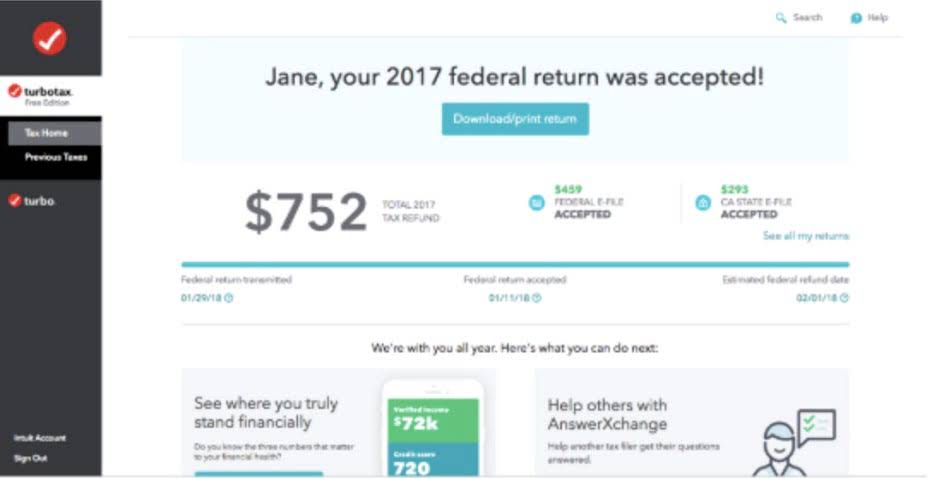
- For people with simple tax returns or more time than money, it makes sense to use TurboTax or some other tax preparation software to file their taxes.

The Registered Tax Return Preparer (RTRP) program warrants special mention as it represents an interesting chapter in the evolution of tax preparation standards. In 2011, the IRS introduced the RTRP program to establish minimum competency standards for tax preparers who weren’t already credentialed (like CPAs or Enrolled Agents). This distinction becomes particularly important if you face complex tax situations or audits, as having a representative with full rights can be invaluable. CPAs are licensed by state boards of accountancy and must adhere to strict ethical tax preparer vs cpa guidelines. Choosing the right person to handle your taxes feels like a high stakes decision. The fear of overpaying, missing a critical deduction, or worst of all, facing an IRS audit is real.

The primary difference lies in their scope of work https://www.bookstime.com/ and qualifications. Tax preparers specialize in preparing and filing tax returns for individuals and businesses, focusing mainly on compliance with tax laws. CPAs have a broader range of expertise, including tax preparation, auditing financial statements, financial planning, and providing business advice.
Key Questions to Ask During an Interview
CPAs also must meet a continuing education requirement, which varies by state. At Zera Accounting, we understand that every business has unique financial needs. As a faith-based company with over 20 years of experience, we’re committed to providing honest, expert accounting services that help keep your hard-earned money where it belongs—in your pocket. A Certified Public Accountant (CPA) is a state licensed accounting professional.

A Little Message from the MB Group: Tax Planning
For your own piece of mind, you’ll want to check the credentials of an EA or CPA before making a final decision on who to hire. Additionally, if you have broader accounting needs — for instance, your bank requires a reviewed financial statement to comply with loan covenants — then working with a CPA can be beneficial. If you need help with an IRS issue, such as a collection problem or a tax audit, an EA can often meet your needs. They’re typically adept at dealing with the IRS, and some EAs even worked as IRS agents before opening their own practices.
- CPAs are not only trained to prepare taxes but also to offer advisory services that consider your entire financial picture, ensuring all opportunities for refunds and savings are maximized.
- A tax preparer’s primary responsibility is to accurately complete tax returns based on the information provided by their clients.
- Does it just connect you with a random preparer or do you get to choose from options?
- Our mission is to help businesses of all shapes and sizes thrive year-round.
Get unlimited advice, an expert final review, and your maximum refund, guaranteed with TurboTax Expert Assist Basic. Other factors, such as the EA or CPA’s level of experience, will also impact the amount you pay. If there’s ever a problem with your taxes, a CPA can legally stand between you and the IRS. Beyond your primary residence, do you own rental properties, have a diverse investment portfolio (stocks, bonds, mutual funds, ETFs, cryptocurrency, private equity), or significant inherited assets? The type and number of assets you own directly impact your tax reporting and planning needs. Learn more about Bench, our mission, and the dedicated team behind your financial success.
Required Education and Certification for Tax Preparers
Whether you’re filing a simple return or running a business, it helps to understand who you’re hiring. In this guide, you’ll learn how CPAs, EAs, and tax preparers differ, what kind of tax advice they can provide, and when it makes sense to choose one over the others. Due to their qualifications and breadth of services, CPAs typically charge higher fees than tax preparers. For individuals or businesses with complex financial needs, the additional cost may be worthwhile given the expertise and strategic advice a CPA can provide. On the other hand, tax preparers usually offer more affordable services, making them a practical option for individuals with straightforward tax filings.